The Value of Visual Communication in Complex Industries
Why technological innovation requires a visual language that communicates more than appearance.
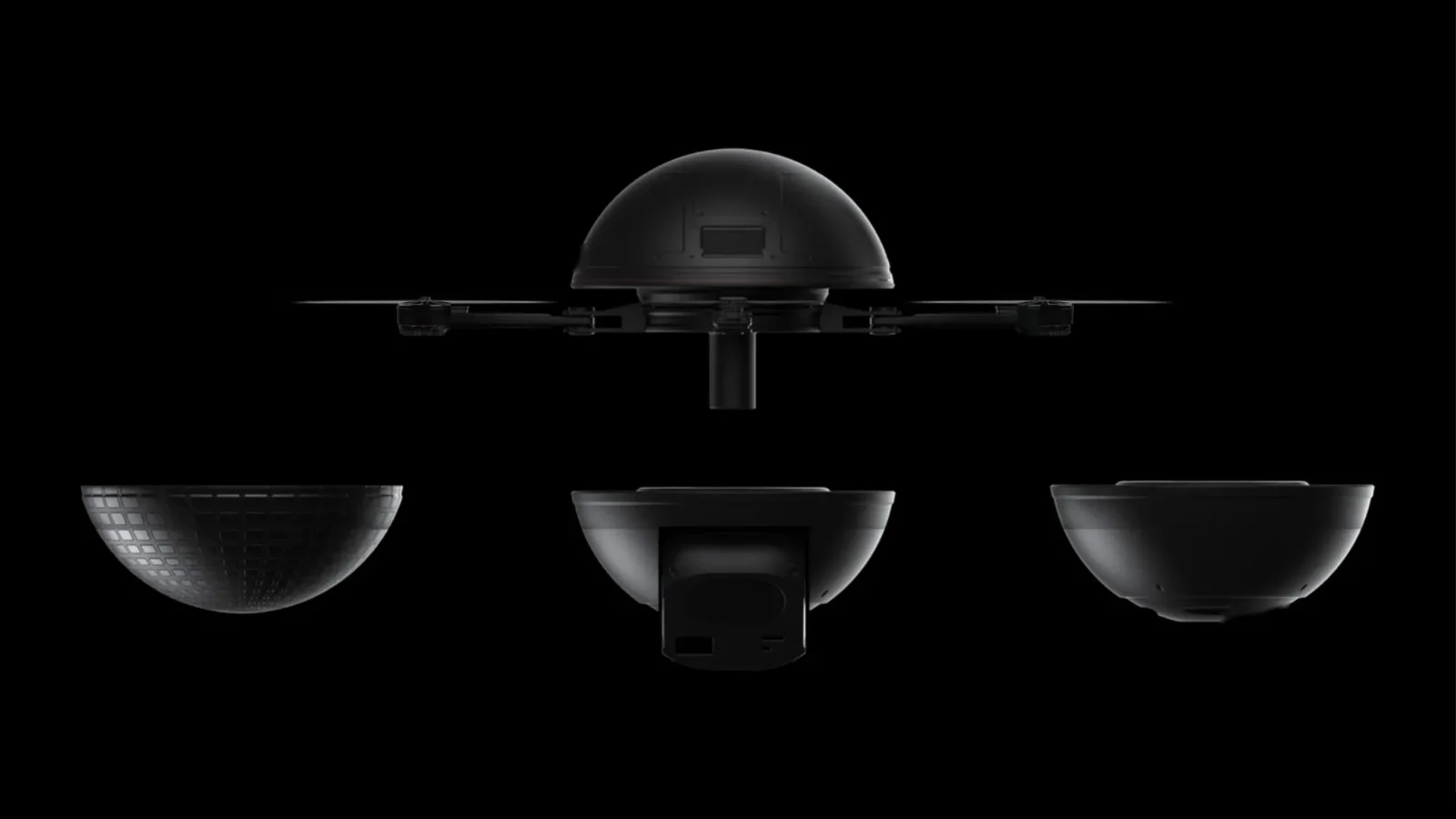
A remarkable technology does not automatically make a compelling presentation.
Across research, engineering, advanced manufacturing, and emerging technology sectors, some of the most ambitious projects face a surprisingly familiar problem: the people developing them understand their significance, while the people responsible for supporting, financing, or adopting them often struggle to see the same picture.
This is rarely a question of intelligence or technical competence. It is a problem of communication.
Engineering teams develop specialized languages to describe systems with extraordinary precision. Investors, executives, institutional partners, and other stakeholders approach those systems through different priorities. They need to understand what a technology does, how its components interact, what stage of development it has reached, and why its capabilities matter.
Traditional technical documentation is essential, but it is not always the most effective medium for establishing that understanding.
Visual communication provides an additional layer between technical knowledge and strategic decision-making.
A carefully structured technical illustration can explain relationships that would otherwise require several pages of documentation. A 3D product visualization can communicate physical architecture, proportions, and integration principles before a complete prototype is available. An animation can demonstrate a sequence of interactions that would be difficult to explain through static diagrams alone.
However, the effectiveness of these tools depends on the quality of the underlying design decisions.
Photorealism is not necessarily clarity. Complex animations, elaborate effects, and excessive visual detail can make a presentation more impressive while simultaneously making its subject more difficult to understand.
Effective visual communication begins by identifying the information that matters.
What should the audience understand immediately? Which technical details are necessary? Which relationships need to be illustrated? What information can be simplified without compromising accuracy?
These questions should determine the visual approach, not the other way around.
This becomes especially relevant in research and development programs progressing through successive Technology Readiness Levels (TRLs). As a technology evolves from an early concept toward demonstration and validation, its visual representation should evolve alongside it.
A conceptual rendering may help establish an initial direction. At later stages, accurate product models, subsystem visualizations, technical animations, and structured presentations become increasingly important for communicating verified progress.
Maintaining a clear distinction between proposed features and demonstrated capabilities is essential to building credibility.
For SCC Design Studio, visual communication extends beyond traditional branding or marketing design. It involves translating complex information into visual systems that support understanding across disciplines.
This approach can be applied to entertainment, advanced technology, industrial products, defense systems, and other fields where complex ideas must be communicated to audiences with different levels of technical expertise.
Ultimately, the purpose of visual communication is not to simplify technology until it loses its meaning. It is to organize complexity in a way that preserves its essential information while making it accessible.
The most effective visual communication does not make a project appear more advanced than it is. It makes its actual value, capabilities, and potential easier to recognize.
For ambitious technologies competing for attention, investment, and partnerships, that distinction can be decisive.